
Cookie Policy
1. INTRODUCTION
This Cookie Notice explains how Surita du Toit Fine Jewellery (Pty) Ltd. ("we", "us", "our") uses cookies and similar technologies on our website. It is designed to comply with:
- South African Protection of Personal Information Act, 2013 (POPIA)
- EU General Data Protection Regulation (GDPR)
- UK GDPR
- ePrivacy Directive / PECR
- Applicable data protection laws in the United States, Australia, Argentina, and other jurisdictions
By using our website, you may consent to the use of cookies as described below, subject to your preferences.
2. WHAT ARE COOKIES?
Cookies are small text files stored on your device when you visit a website. They help the website function properly, improve user experience, and provide information to the website owner.
Cookies may be:
- Session cookies (deleted when you close your browser)
- Persistent cookies (remain until deleted or expired)
- First-party cookies (set by us)
- Third-party cookies (set by external services)
3. TYPES OF COOKIES WE USE
3.1 Strictly Necessary Cookies
These cookies are essential for the website to function and cannot be switched off. They include:
- Shopping cart functionality
- Secure checkout and payment processing
- Fraud prevention and security
Legal basis: Legitimate interest / contractual necessity
3.2 Functional Cookies
These cookies allow the website to remember your preferences, such as:
- Language or region
- Login details (if applicable)
Legal basis: Consent
3.3 Analytics & Performance Cookies
These cookies help us understand how visitors use our website so we can improve performance. We may use services such as:
- Google Analytics
Information collected may include:
- Pages visited
- Time spent on pages
- Browser and device information
Data is aggregated and anonymised where possible.
Legal basis: Consent
3.4 Marketing & Advertising Cookies
These cookies are used to deliver relevant advertising and track campaign performance. They may be set by third parties, including:
- Meta (Facebook / Instagram)
- Google Ads
- Other social media or advertising platforms
They may track browsing activity across websites.
Legal basis: Consent
4. THIRD-PARTY COOKIES
Third-party service providers may place cookies on your device when you interact with our website. We do not control these cookies. Please refer to the respective third-party privacy policies for more information.
5. COOKIE CONSENT & CONTROL
When you first visit our website, you will be presented with a cookie banner allowing you to:
- Accept all cookies
- Reject non-essential cookies
- Manage cookie preferences
You may withdraw or change your consent at any time via the cookie settings link on the website.
You may also control cookies through your browser settings. Note that disabling cookies may affect website functionality.
6. INTERNATIONAL DATA TRANSFERS
Some cookie data may be processed or stored outside South Africa, including in the United States or Europe. Where required, appropriate safeguards are implemented.
7. UPDATES TO THIS POLICY
We may update this Cookie Policy from time to time. The latest version will always be available on the website.
8. CONTACT DETAILS
For questions about this Cookie Policy or your personal data, please contact info@suritadutoit.com
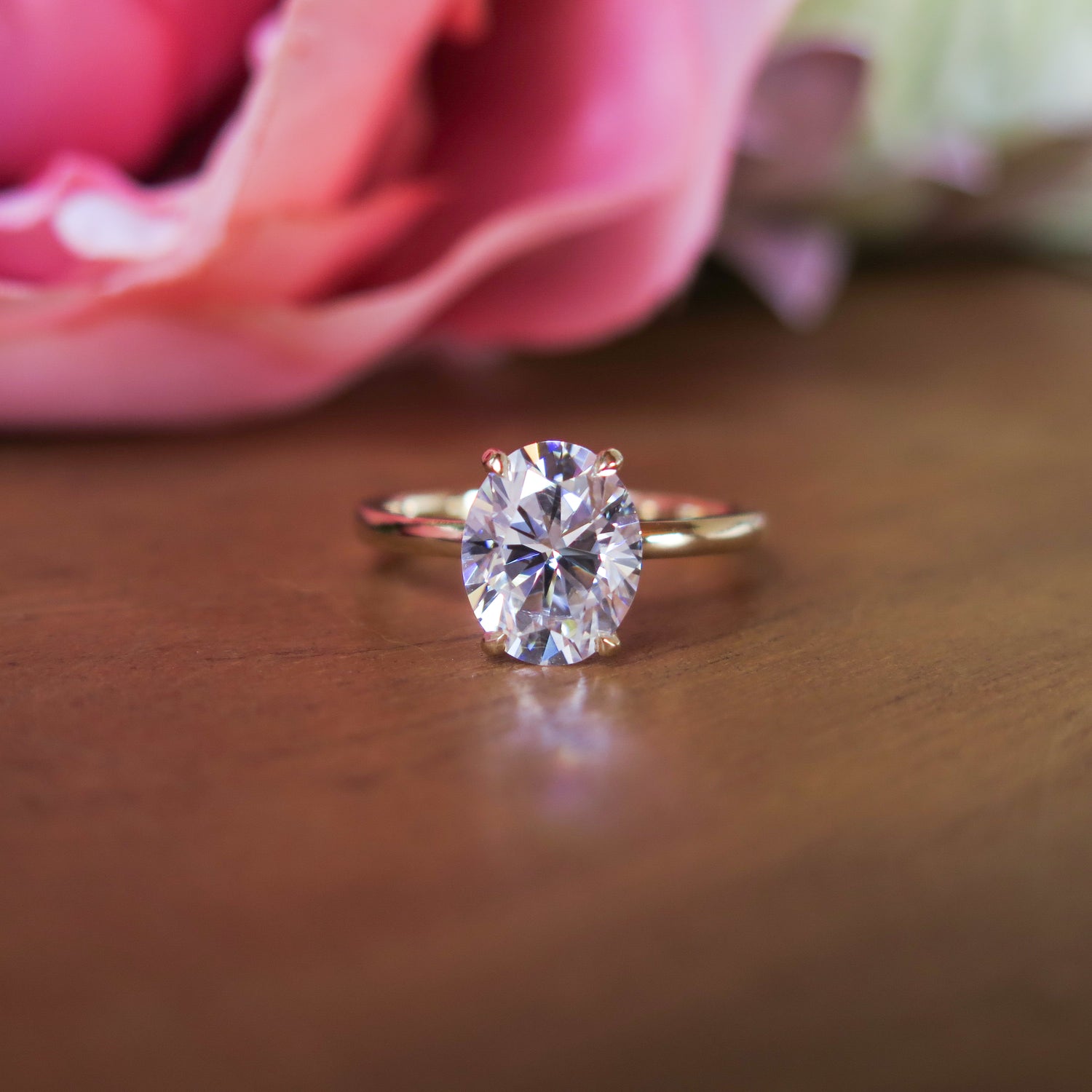
Are you thinking of getting engaged soon?
Book a free consultation (in person or via Zoom) and let me help you bring your idea to life. Free nationwide door-to-door shipping is included on all orders over R1500.
Frequently Asked Questions
How does it work? Where do I start?
The best place to start is with the gemstone that will be the central feature of the ring because this dictates many of the other proportions of the piece. For a detailed breakdown of the process, click here.
Can I bring my own diamond or other gemstones?
Yes, you are more than welcome to do that. Many people inherit a stone from a family member or would like to reuse a stone they bought on another occasion. That is perfectly fine with me.
What metals do you work in?
I work in all precious metals commonly used for jewellery, so that would be sterling silver, argentium silver, yellow gold and white gold (9K, 14K, 18K), and platinum. For more information on precious metals and the difference between them, click here.
What is the difference between white gold and platinum?
Platinum is an element on the periodic table, a metal in its own right, while white gold is an alloy of pure yellow gold and other metals. Here is a bit of history:
In the late 19th century bench jewellery was revolutionised by the invention of the
pressurised oxygen tank, or liquid oxygen, which for the first time became
commercially available at affordable prices. This led to the development of the
oxyacetylene mixing torch, invented in France by Edmond Fouché and Charles
Picard, and for the first time made possible a flame that could reach the
temperatures required for solid platinum (Pt) jewellery manufacturing.
Platinum quickly emerged as the new darling in the world of fine jewellery, with its
brilliant white colour it complimented white diamonds, which thanks to De Beers
were having a moment at the same time too, and its fantastic tensile strength
made extremely delicate designs possible for the first time in history.
With the end of the Edwardian era and the start of WWI, platinum all but disappeared in
jewellery, due to its usefulness as a catalyst in explosive devices but
experienced a brief period of resurging glory (the Art Deco period) between the
great wars, mostly thanks to the discovery of the Merensky Reef, a platinum
deposit which stretches from northern Gauteng into Mpumalanga and Limpopo.
During WWII the US government declared platinum a metal of strategic importance, and almost
completely banned its use in anything outside of military applications. This
led to the development of a new gold alloy we know today as white gold.
White gold is a mixture of pure yellow gold and other metals such as silver, copper and
zinc, which are common in other gold alloys, but with the addition of palladium
or nickel to bleach out the yellow colour. Because its base is still yellow
metal, it isn’t quite white and is usually plated with another, whiter metal to
create the crisp white finish consumers expect. This used to be done with
rhodium (Rh), but after that metal’s price skyrocketed in recent years, it has
been replaced by other metals.
Nickel alloys have almost completely fallen out of use because most people are
allergic to them. It perseveres in mass production white gold jewellery though,
so be sure to ask before you make a purchase. My preferred alloy contains 10%
palladium. Although the palladium content makes it quite a bit more expensive
than the nickel alloys, it has good tensile strength, is unlikely to cause
allergic reactions, and has a white enough finish for it to still appear white
even without the plating.
Because it contains gold (Au), white gold alloy fineness (purity) is expressed the same
way as yellow gold, in karatage (9K, 14K, 18K) or parts in 1000 (375, 585, 750). In South Africa platinum jewellery is usually 95% pure Pt, with a 5%
copper or ruthenium alloy.
You can read more about the composition of white gold here.
Can I buy a diamond from you?
Yes, I source quality diamonds based on your requirements. During your consultation we can discuss the pros and cons of both natural and laboratory-grown diamonds. I usually call a few options for you to view before making your decision. I do not keep diamonds on the premises for security reasons, so you will need to book this viewing in advance. For more information on how to choose a natural diamond, click here. For more information on laboratory-grown diamonds, click here.
What if I don't want a diamond?
I get you. There are plenty of other options. Moissanite is increasingly popular as a replacement for diamond, and lots of people are opting for coloured gemstones instead. I can source whatever you need. Click here to browse a selection of coloured gemstones I offer on behalf of a third party seller. Like with diamonds you will need to book viewings in advance because I need time to request the stone from the supplier.
What is moissanite?
Moissanite is a man-made gem which has very similar properties to diamond, although not quite as hard. Click here to read more about this affordable alternative.
What other services do you offer?
Other services include remodeling of old jewellery and insurance valuations. For a list of my services, click here.
Can I see some of the things you have made?
My social media accounts are really the best place to see this, but I have a small gallery on the website which you can find here.